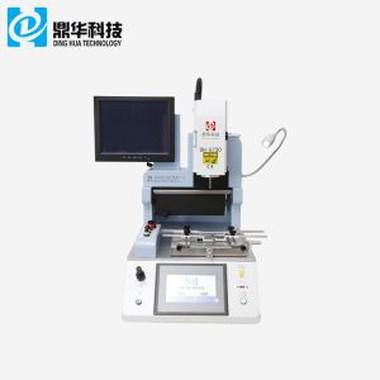
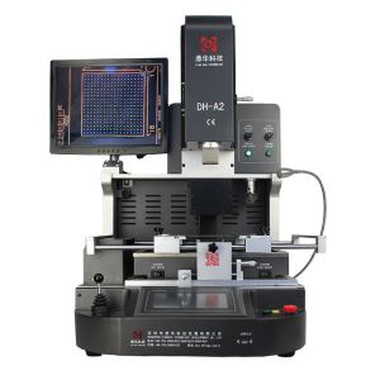
SMD BGA rework station
1. IR keyboard BGA reballing machine with 2 heating areas.
2. Being suited for a large size chip(less than 80*80 mm).
3. Cost-effective and simple to be used.
Description
IR keyboard BGA reballing machine
Full IR BGA rework station with two heating zones, suitable for large chips (up to 80 × 80 mm) and various PCBs such as those in TVs, gaming consoles, and computers.
1. Production parameter of the SMD BGA rework station
| Total Power | 2300W |
| Top heater | 450W |
| Bottom heater | 1800W, fully enclosed in a glass-shielded compartment |
| Power | 110~250V 50/60Hz |
| Top head movement | Up / down, rotate freely. |
| Lighting | Taiwan led working light, any angle adjusted. |
| Storage | Store 10 groups of temperature profiles |
| Positioning | V-groove, PCB support can be adjusted in the X, Y directions with an external universal fixture |
| Temperature control | K Sensor, Closed loop |
| Temp accuracy | ±2℃ |
| PCB size | Max 270 * 320 mm Min 20* 20 mm |
| BGA chip | 5*5~80*80 mm |
| Minimum chip spacing | 0.15 mm |
| External temper sensor | 1pc |
| Dimensions | L480×W370×H390 mm |
| Net weight | Approx 15.5KG |
2. Product details
Top IR heater: 80 × 80 mm, 450 W, 110–240 V (optional). Can heat almost all chip types.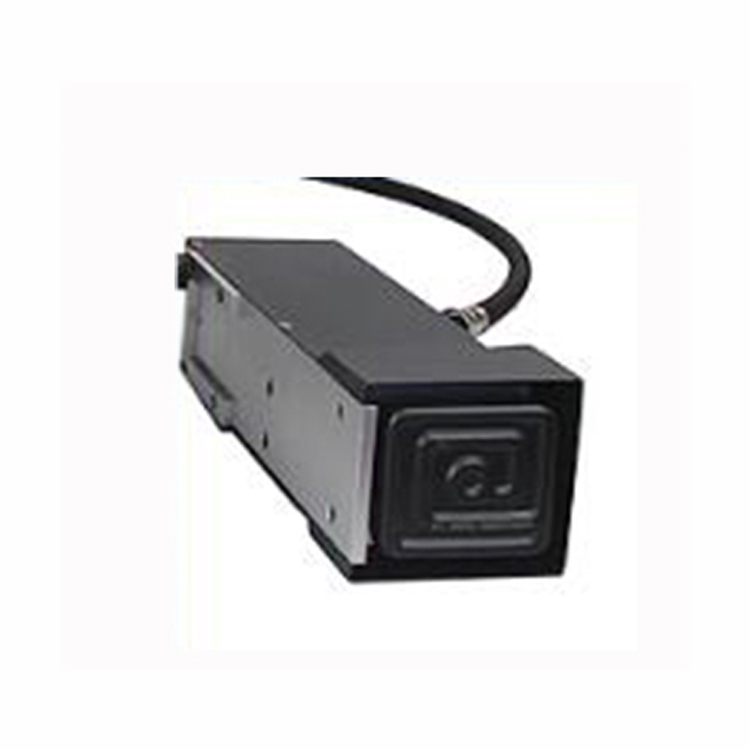
Suitable for motherboards up to 270 × 320 mm.

Bottom IR heater: fully enclosed with a glass shield.
Universal fixtures include crocodile clips, "V" grooves, and convex supports to secure PCBs of any shape-from TVs and computers to iPhones.
no matter the PCB is TV, computer even though iphone etc.

Universal fixtures for any PCB with irregular shape
Instrument Panel for temperature and time setting, easy to operate and use conveniently

Instrument panel
3. Special feature
- Imported high-quality, durable heaters.
- Taiwan-made infrared ceramic preheating plate with glass shielding.
- Dual-zone IR heating: both upper and lower preheating zones.
- K-type closed-loop temperature control with ±2 °C accuracy.
- External sensor connector for more accurate temperature readings.
- Sound alert: voice reminder 5–10 s before the heating cycle ends, helping the operator prepare.
4. Our service IR keyboard BGA reballing machine
- Before delivery: each machine undergoes a 24‑hour vibration test, followed by a final inspection.
- After delivery: upon arrival at customs, we contact you via email, phone, or WhatsApp to help with clearance.
- On receipt: we provide installation guidance and operational support.
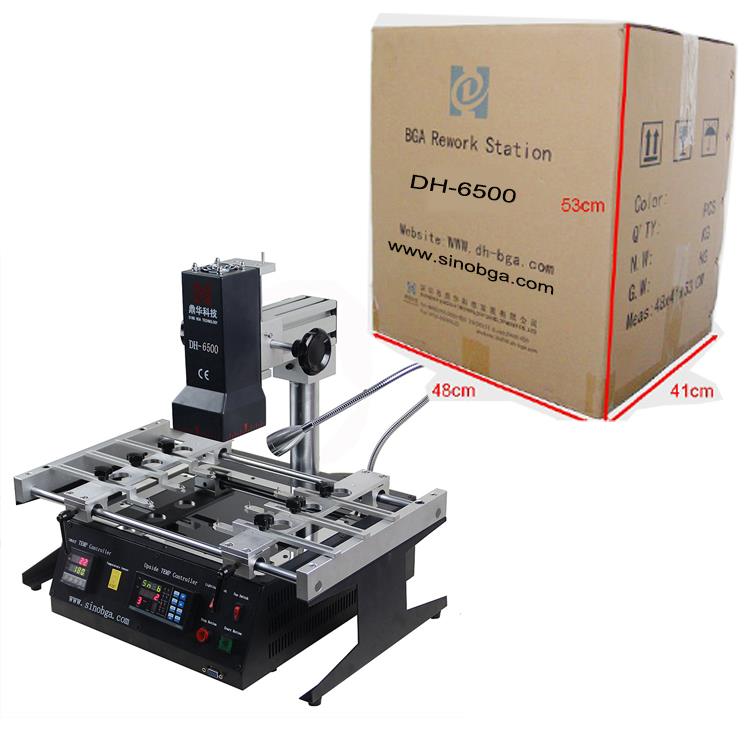
5. Packing
- Carton case with foam inserts for secure transport.
- Packed dimensions: 48 × 53 × 41 cm; gross weight: 23 kg.
FAQ
Tools and Materials
Repair is, and may always remain, a highly labor-intensive operation that relies more on individual operator skills than on automation. Despite the availability of excellent repair tools, many in-house repair operations are poorly equipped. The following are some basic guidelines for the essential equipment needed in a modern repair operation:
1. Ergonomic Workstation
Effective repair work cannot be performed on an old workbench or makeshift setup. PC board repair requires a high level of concentration and dexterity. Therefore, a proper workstation - ESD-grounded and equipped with adequate lighting, power outlets, and ergonomic comfort - is essential. Whenever possible, frequently used systems should be securely mounted to the work surface to improve efficiency.
2. High Quality Stereo Microscope
Precision repair cannot be done without this type of microscope available at all times. Limited access is inadequate, as it must be used continuously. While video cameras and monitors may be suitable for inspection or training, they lack the clarity provided by quality optics. In addition, the microscope must have good lighting. Halogen or fiber optic lighting systems with flexible goosenecks for light direction are the best options for this purpose.
3. Soldering
Precision soldering is vital for modern repair operations. Technicians can no longer rely on traditional soldering tools that were commonly used just a few years ago. They now require top-quality soldering irons that are highly controllable, ergonomically designed, and compatible with a wide range of fine tips.
4. Component Removal Tools
The increasing variety of components - both large and small - demands a range of specialized tools and techniques for safe and efficient removal. These tools typically use one of the following heating methods: conductive (by contact), convective (by hot gas), or infrared (by focused infrared lamps). Each method has its advantages and limitations depending on the specific application.
5. Preheating Station
Whenever possible, preheat the entire PC board before removing SMT components. Preheating reduces thermal shock from localized heating and speeds up the rework process. While most facilities have curing or drying ovens, an additional preheating station is often necessary to maintain consistent heat. A hotplate-style or infrared preheater can maintain the board temperature after it is removed from the oven or heat it up from ambient temperature.
6. Micro Drilling and Grinding Tool
Bulky, hand-held drilling and grinding tools that house both the motor and power supply in the handpiece are difficult to control for detailed repair work. A lightweight, high-quality, dental-style drilling tool is preferred for precision tasks.