

What are the training requirements for operators of X-ray machines for BGA inspection?
Oct 14, 2026
In the realm of electronics manufacturing, Ball Grid Array (BGA) inspection plays a pivotal role in ensuring the quality and reliability of printed circuit boards (PCBs). X-ray machines have emerged as indispensable tools for this task, offering non-destructive testing capabilities that can detect hidden defects within BGAs. As a leading XRay BGA supplier, we understand the critical importance of well-trained operators in maximizing the effectiveness of these sophisticated machines. In this blog, we will delve into the comprehensive training requirements for operators of X-ray machines for BGA inspection.
Fundamental Knowledge Prerequisites
Before an individual can operate an X-ray machine for BGA inspection, they must possess a solid foundation in several key areas.
Electronics and PCB Basics
A thorough understanding of electronics is essential. Operators should be familiar with the basic components of a PCB, including resistors, capacitors, inductors, and integrated circuits. They need to comprehend how these components interact and the role they play in the overall functionality of the device. Knowledge of BGA packages, such as their structure, ball arrangement, and soldering techniques, is also crucial. This understanding helps operators interpret the X-ray images accurately and identify potential defects.
X-ray Physics
To operate an X-ray machine effectively, operators must have a grasp of the fundamental principles of X-ray physics. This includes knowledge of how X-rays are generated, their properties, and how they interact with different materials. Understanding concepts like attenuation, absorption, and scattering is vital for adjusting the X-ray machine settings appropriately. Operators should know how to select the correct X-ray voltage, current, and exposure time based on the thickness and material composition of the PCB being inspected. For instance, a thicker PCB or a PCB with denser components may require higher X-ray energy to penetrate and produce clear images.

Safety Regulations
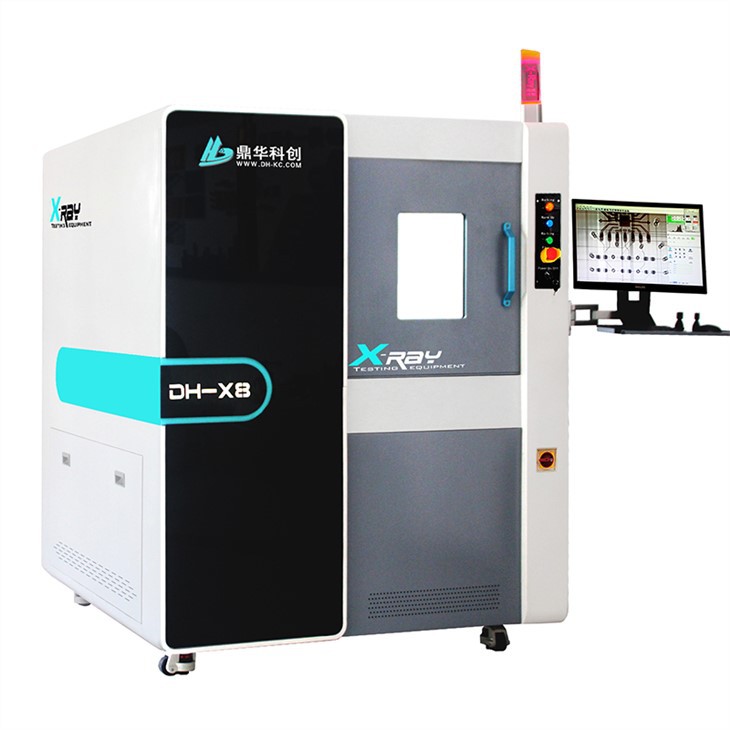
Safety is of utmost importance when working with X-ray machines. Operators must be well-versed in local and international safety regulations regarding X-ray use. This includes understanding the hazards associated with X-ray radiation, such as radiation exposure risks to the operator and others in the vicinity. They should know how to use personal protective equipment (PPE), such as lead aprons and gloves, and how to properly maintain the X-ray machine to prevent radiation leaks. Additionally, operators need to be familiar with emergency procedures in case of an equipment malfunction or a radiation exposure incident.
Technical Skills Training
Once the operators have a solid theoretical foundation, they need to acquire the technical skills necessary to operate the X-ray machine for BGA inspection.
Machine Operation
Operators should be trained on all aspects of X-ray machine operation. This includes powering on and off the machine, loading and unloading PCBs, and adjusting the machine's parameters. They need to be able to navigate the machine's user interface, which typically includes touchscreens or control panels. Training should cover how to set up the correct imaging mode for BGA inspection, such as 2D or 3D imaging. For example, in 3D imaging, operators need to understand how to collect multiple X-ray images from different angles and then reconstruct them to create a three-dimensional model of the BGA for more detailed inspection.
Image Acquisition and Processing
The ability to acquire high-quality X-ray images is crucial. Operators should learn how to position the PCB correctly within the machine to obtain clear and focused images. They need to understand how to adjust factors such as magnification, focus, and contrast to enhance the image quality. Additionally, operators should be trained in image processing techniques. This may involve using software tools to filter the images, remove noise, and enhance specific features. For example, they can use edge detection algorithms to better distinguish the boundaries of the BGA balls and identify any irregularities.
Defect Identification
One of the primary goals of BGA inspection is to identify defects. Operators must be trained to recognize various types of BGA defects, such as solder bridges, voids, cracked balls, and misaligned balls. They should understand the characteristics of each defect in an X-ray image and be able to differentiate between normal and abnormal features. Training should include hands-on practice with a variety of X-ray images, including images of defective and non-defective BGAs. This allows operators to develop their skills in accurately identifying defects and making informed decisions about the quality of the PCBs.
Practical Experience and Certification
In addition to theoretical knowledge and technical skills training, practical experience is invaluable for X-ray machine operators.
On-the-Job Training
On-the-job training provides operators with the opportunity to apply their knowledge and skills in a real-world setting. They can work alongside experienced operators, who can provide guidance and feedback. This hands-on experience helps operators become more confident in their abilities and familiar with the specific X-ray machine and inspection processes used in the company. It also allows them to encounter a wide range of PCB types and BGA defects, which further enhances their defect identification skills.
Certification Programs
Many industries require X-ray machine operators to obtain certification. Certification programs typically involve a combination of written exams and practical assessments. These programs validate the operators' knowledge and skills and demonstrate their competence in operating X-ray machines for BGA inspection. Earning a recognized certification can enhance an operator's career prospects and increase their credibility in the industry. Some well-known certification programs in this field include those offered by professional organizations such as the American Society for Nondestructive Testing (ASNT).
Continuous Learning and Development
The field of X-ray inspection for BGA is constantly evolving. New technologies, materials, and inspection techniques are being developed regularly. Therefore, operators should engage in continuous learning and development to stay up-to-date with the latest advancements.
Industry Seminars and Conferences
Attending industry seminars and conferences provides operators with the opportunity to learn about the latest trends and technologies in X-ray inspection. They can hear from experts in the field, participate in workshops, and network with other professionals. This exposure to new ideas and innovations can help operators improve their skills and knowledge and apply them in their daily work.
Vendor Training and Updates
As an XRay BGA supplier, we provide ongoing training and support to our customers. We offer regular updates on machine software and hardware improvements, as well as new inspection techniques. Our technical support team is available to assist operators with any questions or issues they may encounter. By taking advantage of these resources, operators can ensure that they are using the X-ray machine to its fullest potential and achieving the highest possible inspection quality.
Contact for Procurement
If you are interested in improving your BGA inspection capabilities with our high-quality X-ray machines, we invite you to contact us for procurement discussions. Our team of experts is ready to assist you in selecting the most suitable equipment for your specific needs and providing comprehensive training for your operators.
References
- American Society for Nondestructive Testing (ASNT). (Year). Nondestructive Testing Handbook: Volume 1 - Radiography.
- Smith, J. (Year). X-ray Inspection Techniques for Electronics Manufacturing. IEEE Transactions on Electronics Packaging Manufacturing.
- Jones, A. (Year). Ball Grid Array Inspection: Best Practices and Challenges. Journal of Electronic Packaging.
In this blog, we've explored various aspects of the training requirements for operators of X-ray machines for BGA inspection. From fundamental knowledge to practical skills, continuous learning is key to ensuring high - quality inspection results. If you're in the market for reliable X - ray machines for BGA inspection, don't hesitate to reach out to discuss your procurement needs.
X Ray Solder Joint Inspection
Industrial X-ray Inspection System
Bga X Ray Inspection Equipment
X-ray Machine Inspection
PCB X Ray Machine