

What is the noise level of a glue dispenser?
Sep 28, 2026
As a supplier of glue dispensers, the question of the noise level of a glue dispenser is one that we often encounter from our customers. Understanding the noise level is crucial for many industrial applications, as excessive noise can not only cause discomfort to operators but also violate workplace safety regulations. In this blog, we will delve into the factors that affect the noise level of glue dispensers, typical noise levels for different types, and how we, as a supplier, can help you manage and minimize noise in your operations.
Factors Affecting the Noise Level of Glue Dispensers
The noise level of a glue dispenser can be influenced by several factors, starting from the type of glue dispenser you are using.
1. Type of Glue Dispenser
- Hot Melt Glue Dispenser: Hot melt glue dispensers are designed to melt and dispense hot glue. The melting process often involves a heating element and a pump mechanism. The heater operates quietly, but the pump can generate a significant amount of noise, especially when it is under heavy load. The constant suction and discharge of the glue through the pump create vibrations that translate into audible noise. You can find more information about Hot Melt Glue Dispenser on our website.
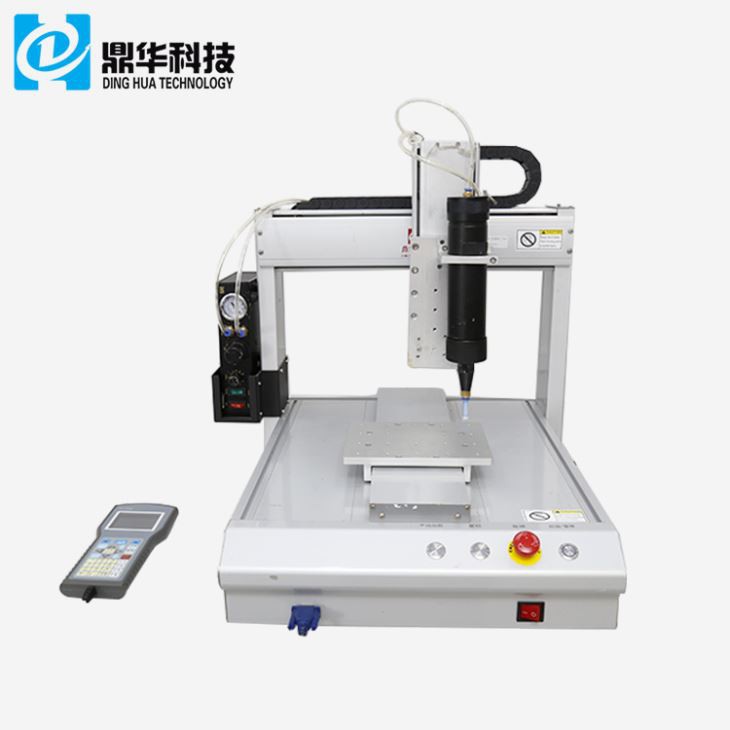
- Glue Dispenser Robot: These are automated systems that offer high - precision glue dispensing. The noise from a glue dispenser robot mainly comes from its moving parts, such as motors and actuators. Stepper motors and servo motors used in these robots can generate a buzzing or humming sound, especially when they are accelerating or decelerating. The robotic arm's movement and the interaction with the dispenser mechanism also contribute to the overall noise. Check out our Glue Dispenser Robot for more details.
- Glue Dispenser Valve: The valve is a critical component of any glue dispenser. It controls the flow of the glue. A solenoid - operated valve can produce a clicking sound each time it opens and closes. The frequency of these clicks depends on the dispensing cycle. If the dispenser is operating at a high - speed cycle, the valve noise can become a prominent source of overall noise. Visit Glue Dispenser Valve to learn about our valve options.
- Automatic Glue Dispenser: These machines are designed for continuous and efficient glue dispensing. They often incorporate multiple components such as a pump, a controller, and a dispensing head. The combined operation of these components can result in a complex noise profile. For instance, the interaction between the pump and the controller can lead to electrical noise, in addition to the mechanical noise from the moving parts. Our Automatic Glue Dispenser models are engineered with noise - reduction in mind.
2. Operating Conditions
The noise level can also vary depending on the operating conditions of the glue dispenser. Higher dispensing pressures generally lead to more noise. When the dispenser is working against a higher resistance, such as a viscous glue or a small orifice in the dispensing head, the pump or valve has to work harder, which can increase the noise.
The speed of operation is another crucial factor. Faster dispensing cycles mean more frequent movements of the components, resulting in increased noise. For example, a high - speed glue dispenser robot operating at maximum speed will generate more noise compared to the same robot operating at a lower speed.
Typical Noise Levels of Different Glue Dispensers
The noise levels of glue dispensers can vary widely depending on the type and size of the dispenser, as well as its operating conditions.
Hot Melt Glue Dispensers
Small - scale, table - top hot melt glue dispensers typically have noise levels ranging from 50 to 60 decibels (dB). These levels are relatively low and are similar to the noise level of a normal conversation. However, larger industrial - grade hot melt glue dispensers can have noise levels between 70 and 80 dB, which is comparable to the noise of a vacuum cleaner.
Glue Dispenser Robots
The noise levels of glue dispenser robots can range from 60 to 75 dB, depending on their speed and the complexity of their movements. When operating at high speeds or performing rapid movements, the noise levels can approach the upper end of this range.
Glue Dispenser Valves
The noise from a glue dispenser valve alone can be in the range of 55 to 70 dB. The noise level depends on the type of valve, its operating frequency, and the pressure at which it is working.
Automatic Glue Dispensers
Automatic glue dispensers usually have noise levels between 65 and 80 dB. Their noise levels can be affected by factors such as the size of the machine, the type of pump used, and the speed of the dispensing cycle.
Managing and Minimizing Noise from Glue Dispensers
As a leading glue dispenser supplier, we understand the importance of minimizing noise in the workplace. Here are some strategies we recommend to manage and reduce the noise level of your glue dispensers.
1. Select the Right Equipment
Choose glue dispensers that are designed with noise reduction in mind. Our engineers have spent countless hours optimizing the design of our Hot Melt Glue Dispenser, Glue Dispenser Robot, Glue Dispenser Valve, and Automatic Glue Dispenser to reduce noise without compromising on performance.
2. Regular Maintenance
Regular maintenance of your glue dispensers is essential. Ensure that all moving parts are properly lubricated, as friction can be a significant source of noise. Check and tighten loose components, and replace any worn - out parts. A well - maintained dispenser will not only operate more quietly but also have a longer lifespan.
3. Isolation and Enclosure
Consider using isolation mounts or enclosures to reduce the transmission of noise. Isolation mounts can absorb vibrations from the dispenser, preventing them from being transferred to the surrounding environment. Enclosures can also be used to contain the noise within a specific area.
4. Optimize Operating Conditions
Adjust the operating conditions of your glue dispenser to minimize noise. For example, if possible, reduce the dispensing pressure or the speed of the dispenser. This can significantly reduce the noise level without affecting the quality of the glue dispensing.
Conclusion
The noise level of a glue dispenser is an important consideration for many industrial applications. By understanding the factors that affect the noise level, the typical noise levels of different types of glue dispensers, and the strategies to manage and minimize noise, you can create a more comfortable and compliant working environment.

As a trusted glue dispenser supplier, we are committed to providing you with high - quality products that not only meet your dispensing needs but also address your concerns about noise. If you are interested in learning more about our glue dispensers or have any questions regarding noise management, we encourage you to contact us for a detailed discussion and to explore the best solutions for your specific requirements.
References
- Industrial Noise Control Handbook, Second Edition, CRC Press.
- Machinery Noise and Vibration: Practical Guidelines for Control, ASME Press.